

Investments
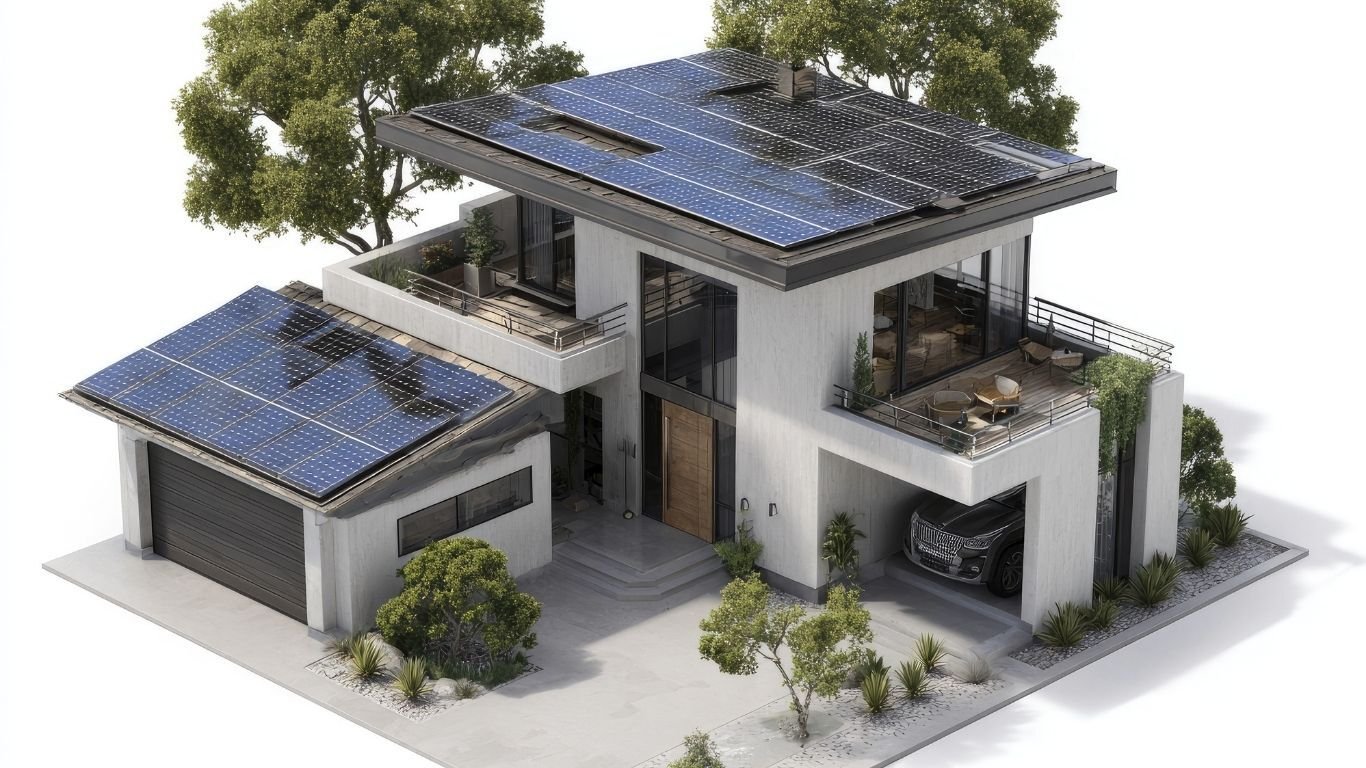

Rates ease, builders hold, investors position for the next move.
At-a-Glance:
30-yr Fixed 6.21% · 15-yr 5.47% · Median Home $409.2k · Supply 4.2 mo
Sources: Freddie Mac · Census.gov · Case-Shiller · NAR
Explore:
• Loans & financing options → https://wexmoorcircle.com/loans
• Active & upcoming projects → https://wexmoorcircle.com/projects
30-yr fixed: 6.21% weekly average (PMMS, week of Dec 18, 2025)
15-yr fixed: 5.47% (same release)
Source: https://www.freddiemac.com/pmms
Existing-home sales: 4.13M SAAR (Nov 2025)
Median existing-home price: $409,200
Inventory: 4.2 months
Source: https://www.nar.realtor/newsroom/existing-home-sales
Price growth is cooling vs. peak, with index levels still elevated.
National Case-Shiller (FRED): https://fred.stlouisfed.org/series/CSUSHPINSA
Los Angeles Case-Shiller (FRED): https://fred.stlouisfed.org/series/LXXRSA
New Residential Construction releases (starts/permits/completions):
https://www.census.gov/construction/nrc/
Note: update this section each month using the latest Census NRC release.
Time-on-market is longer and price drops are more common in many submarkets.
U.S. dashboard: https://www.redfin.com/us-housing-market
California dashboard: https://www.redfin.com/state/California/housing-market
Statewide updates (C.A.R. newsroom):
https://www.car.org/en/aboutus/mediacenter/newsreleases
Negotiation room shows up first in:
older product
cosmetic fixers
listings with long DOM
Track current conditions (use metro filters inside Redfin):
https://www.redfin.com/state/California/housing-market
D.C. remains job-sensitive: buyers respond fast to rate moves, but pause if affordability snaps back.
Track D.C. metro conditions (use metro filters inside Redfin):
https://www.redfin.com/us-housing-market
When it wins
You can negotiate credits, repairs, or rate buy-downs on stale listings.
You’re targeting cash-flow durability, not peak appreciation.
Watch-outs
Rate-locked sellers can be slow to cut.
Underwrite cap rates with room for spread widening.
When it wins
Builders can move product with incentives even when resale is tight.
If rates drift down, payment affordability improves and new-home demand can surprise.
Watch-outs
Construction execution risk: budgets, draws, and timeline discipline matter more than rate forecasts.
Catalysts
Weekly PMMS: https://www.freddiemac.com/pmms
Existing-Home Sales: https://www.nar.realtor/newsroom/existing-home-sales
Price trend (FRED Case-Shiller):
Los Angeles: https://fred.stlouisfed.org/series/LXXRSA
Base case
Sideways prices, slightly better volume if mortgage rates hold near the low-6% range and incentives stay active.
Mortgage channel reference: https://www.uwm.com/
Rates drifting down → demand drifts up
Buyers re-engage when payment math improves and the “move penalty” shrinks.
Purchase volume pressured → share captured by speed
In a thin market, turn-time and certainty win referrals and contracts.
Loan mix shifts toward affordability tools
Temporary buy-downs and construction-to-perm activity rise when borrowers need payment relief.
Builder lending tightness persists (but doesn’t freeze)
Capacity is filled by non-bank partners and structured execution, deal-by-deal.
Efficiency + automation becomes margin defense
Faster income/asset validation and cleaner files reduce cycle time and fallout.
Borrower behavior stays threshold-based
Small rate moves can produce large volume swings.
These themes are derived from the December macro commentary you provided.
Rolling recession → rolling recovery
Liquidity conditions can pivot faster than sentiment, even while labor headlines lag.
Video source: https://www.youtube.com/watch?v=S0FHyju1iRs
Policy + incentives → capex feedback loop
If capital spending broadens, housing demand can follow with a lag.
Video source: https://www.youtube.com/watch?v=S0FHyju1iRs
Technology is deflationary in practice
Productivity gains can cool inflation even if growth improves.
Video source: https://www.youtube.com/watch?v=S0FHyju1iRs
Affordability is the true “switch”
Rates plus new-home price pressure can unlock moves, listings, and transactions.
Forecast context: https://www.zillow.com/research/home-value-sales-forecast-33822/
Housing can be the surprise trade
When a market is down long enough, small improvements can trigger outsized reactions.
Video source: https://www.youtube.com/watch?v=S0FHyju1iRs
This cycle is threshold-driven. When affordability improves, volume returns first. Then prices stabilize. Then build activity follows.
Underwrite two paths: base + stress (rates + spread + exit cap).
Capture incentives: credits, buy-downs, repair escrows, seller concessions.
Buy vs. Build:
Buy = negotiate hard on stale resale.
Build = enforce strict budget control + draw discipline.
Track weekly rates and align lock strategy to borrower timelines.
Keep files audit-clean: TRID timing, COC logic, and document flow.
Freddie Mac PMMS: https://www.freddiemac.com/pmms
NAR Existing-Home Sales: https://www.nar.realtor/newsroom/existing-home-sales
Census New Residential Construction: https://www.census.gov/construction/nrc/
Case-Shiller (National, FRED): https://fred.stlouisfed.org/series/CSUSHPINSA
Case-Shiller (Los Angeles, FRED): https://fred.stlouisfed.org/series/LXXRSA
Redfin U.S. Housing Market: https://www.redfin.com/us-housing-market
Redfin California: https://www.redfin.com/state/California/housing-market
Zillow forecast: https://www.zillow.com/research/home-value-sales-forecast-33822/
Macro video (input): https://www.youtube.com/watch?v=S0FHyju1iRs
Wexmoor Loans: https://wexmoorcircle.com/loans
Wexmoor Projects: https://wexmoorcircle.com/projects
Loans: https://wexmoorcircle.com/loans
Projects: https://wexmoorcircle.com/projects
Irakli Ezugbaia — Managing Member, Wexmoor Circle LLC
📇 CA DRE #02271654 · NMLS #2728634 · NAMP-CMP
Broker of the Record: Pacific Prestige Properties, Inc (NMLS #1132725 | DRE #01900872)
With expertise in real estate investments and mortgage origination, Irakli specializes in construction financing, owner-builder projects, and FHA/Conventional loan programs.
 An Equal Housing Opportunity Lender.
Informational purposes only — not legal, financial, or investment advice. Refer to official forms including the Loan Estimate (LE), Closing Disclosure (CD), and Uniform Residential Loan Application (1003). All figures subject to public-data revisions.